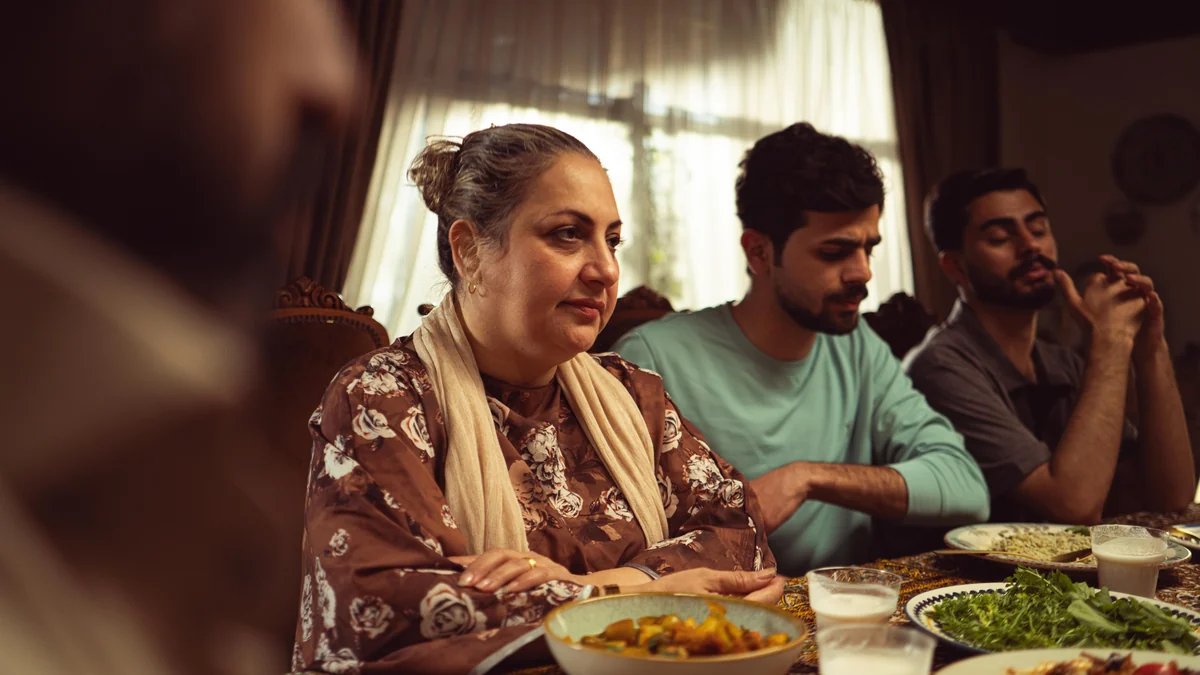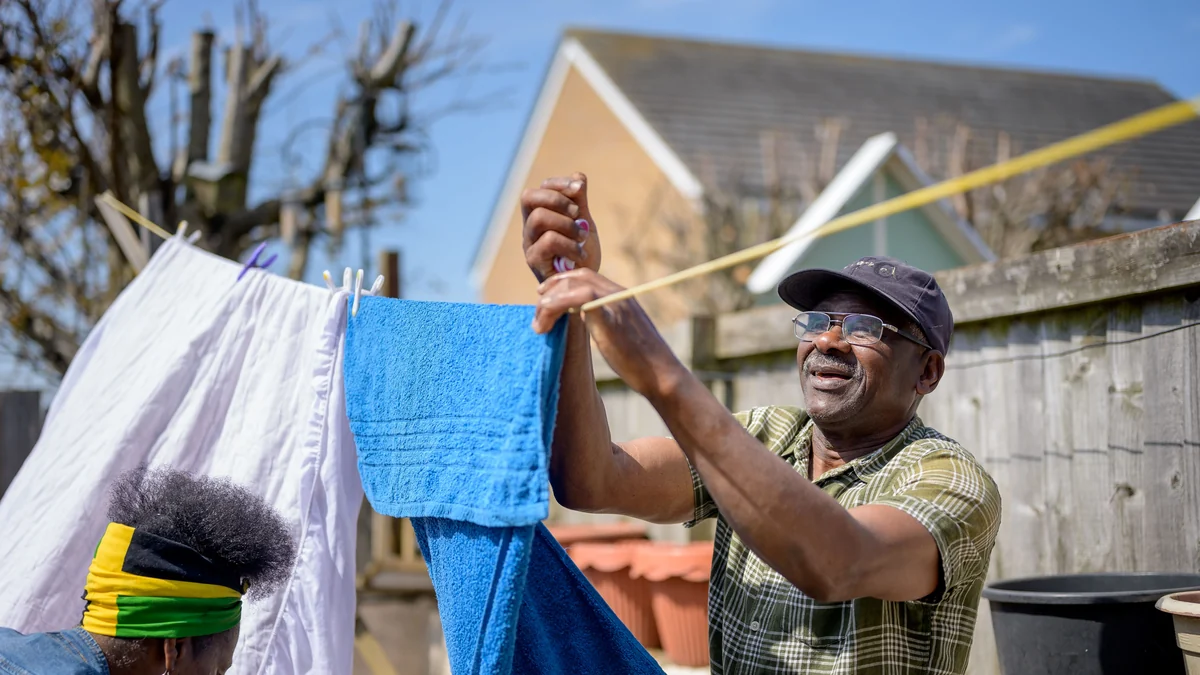
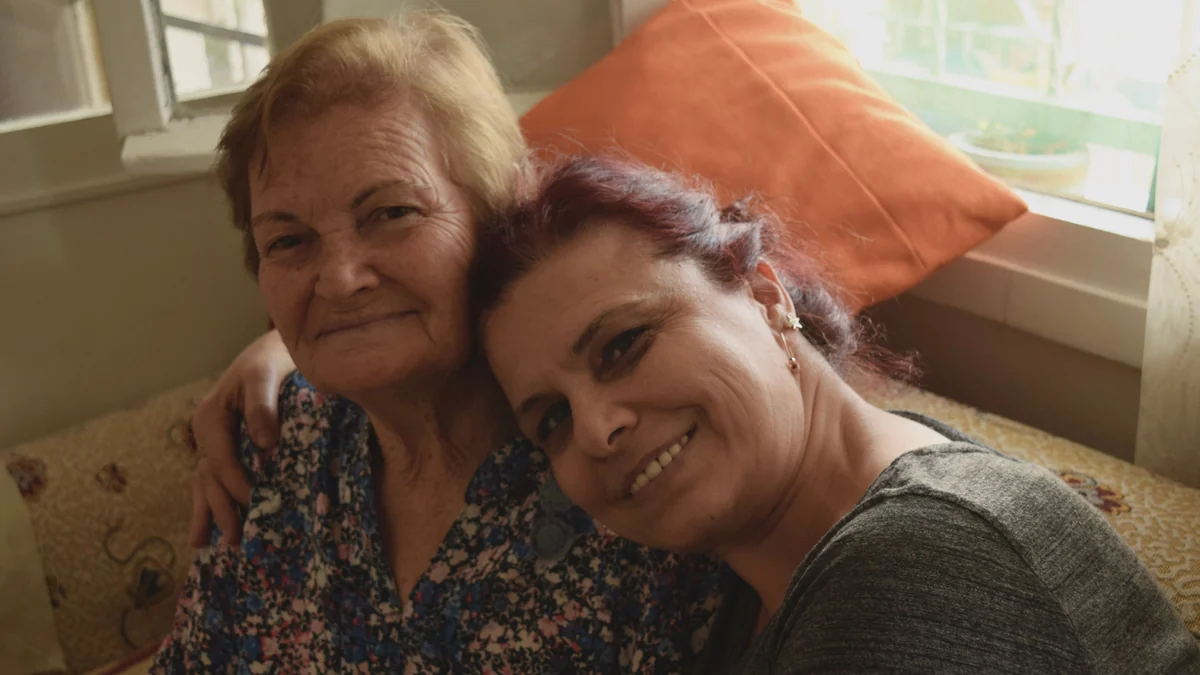
Most lonely older adults never say they are lonely. Families usually notice it as a change in habits, such as calls home that come far more often, a club or church group that stopped, or a house that has gone quiet since a spouse died or the car keys were handed over.
Those changes deserve attention early, because loneliness affects physical health as well as mood. Small, steady changes help, and Indiana has local programs that can share the load.
How common is loneliness in older adults?
About 43% of adults 60 and older feel lonely, and nearly a quarter of adults 65 and older living in the community are socially isolated, according to a 2020 report from the National Academies of Sciences, Engineering, and Medicine1. The National Institute on Aging (NIA) puts the isolation figure at 1 in 4 adults 65 and older3.
The two terms mean different things. Loneliness is the feeling of being alone or disconnected, and social isolation is having few relationships or little regular contact with others. A person can be isolated without feeling lonely, or lonely in a full house.
In Indiana, the risk is spread unevenly across the state. In 23 counties, older adults already outnumber children, and IU researchers project that number will reach 40 counties by 20504. Many of those counties are rural. A parent there who stops driving can lose most of their social contact at once.
What are the signs of loneliness in an elderly parent?
The signs of loneliness usually show up as changes in routine and mood, because lonely older adults rarely say so directly. Watch for a parent who:
- drops activities they used to enjoy
- sleeps more or less than before
- eats less or loses weight
- lets the house or the mail pile up
- talks about the same few things, or calls family far more often
Recent losses raise the risk. A spouse's death, a friend moving away, giving up the car or a new hearing problem can each cut off a big share of someone's contact with other people3.
Researchers often measure loneliness with three short questions from a version of the UCLA Loneliness Scale built for large surveys5. Asking your parent those questions in your own words, on a calm day, can open a conversation that "Are you lonely?" will not.
- CompanionshipHow often do you feel that you lack companionship?
- Left outHow often do you feel left out?
- IsolatedHow often do you feel isolated from others?
What does loneliness do to an older person's health?
Poor social connection is associated with higher risks of heart disease, stroke and dementia. The U.S. Surgeon General's 2023 advisory reported a 29% higher risk of heart disease, a 32% higher risk of stroke and, in older adults, about a 50% higher risk of developing dementia6. The same advisory compared the mortality risk of social disconnection to smoking up to 15 cigarettes a day.
The Centers for Disease Control and Prevention (CDC) lists type 2 diabetes, depression and anxiety, and earlier death among the risks tied to isolation and loneliness2, and the NIA adds a weakened immune system3. A Health and Retirement Study analysis of 8,805 adults 65 and older found that people who were lonely had higher odds of dementia at the start, and those who were both lonely and socially disconnected were more likely to develop dementia over the next four years7.
Isolation also adds to public health costs. An AARP Public Policy Institute study estimated that a lack of social contact among older adults is associated with about $6.7 billion a year in extra Medicare spending8.
Loneliness and depression often come together. If your parent shows lasting low mood, loss of interest, hopelessness or talk of death, tell their doctor. If they mention wanting to die, call or text 988. The 988 Lifeline answers around the clock9.
What can families do to help a lonely elderly parent?
Small, reliable contact matters more than big gestures. A call at the same time each week gives the person you care for something to count on. Short, frequent visits tend to help more than one long visit a month, and grandchildren, neighbors and church friends can share the schedule.
Small, reliable contact matters more than big gestures.
Get their hearing checked. Hearing loss makes conversation tiring and pushes people to avoid groups, and the 2024 Lancet Commission on dementia listed both hearing loss and social isolation among risk factors that can be changed10. Since October 2022, adults with mild to moderate hearing loss have been able to buy over-the-counter hearing aids without a prescription11.
Simple technology can cover some of the days in between. A tablet set up for one-touch video calls, a large-button phone or a smart speaker that calls family by voice can keep a parent in touch on days no one can visit.
A regular reason to leave the house helps most. A standing lunch, a class or a volunteer shift creates weekly contact that does not depend on you. Our guide to activities for seniors in Indiana covers senior centers, group meals, adult day programs and volunteer options, and how to find them in your county.

Your parent's Area Agency on Aging is the next call. The statewide line, 800-713-9023, routes you to the agency for their county12. Ask what it offers for meals, transportation and senior centers, and whether a telephone reassurance or friendly-visitor program runs in your area.
Can Medicaid help an isolated parent in Indiana?
Yes, indirectly. Indiana's Medicaid waivers pay for specific services, and several of them bring a familiar person into your parent's week on a regular schedule. If your parent is on PathWays for Aging, the service coordinator must meet them face to face every 90 days and complete a loneliness assessment at those visits13. Tell the coordinator what you are seeing. The care plan can also include adult day services, home-delivered meals or nonmedical transportation where your parent qualifies13.
Home and Community Assistance and Attendant Care send a caregiver for authorized tasks, such as meals, laundry, errands and personal care13. Those visits exist for the tasks in the plan. Even so, a familiar person in the house several times a week can matter to someone who is alone most days. Attendant Care can also include trips to nonmedical community activities. You can read more about how Home and Community Assistance visits work, or see what helps older adults age in place.
What families cannot fix alone
You cannot fill every empty hour yourself, and trying usually leads to burnout. Some loneliness comes from grief or depression and needs a doctor or counselor. Some parents decline every offer for months, and pressure tends to backfire. Pick one change at a time, keep it small and give it a few weeks before judging it. If isolation comes with missed meals, falls or confusion, our post on signs a parent can no longer live alone covers the next decision.
Questions families ask
What are the signs of loneliness in elderly people?
Common signs include giving up activities they used to enjoy, sleeping more or less, eating less or losing weight, letting mail and housework pile up, and calling family much more often. Talking about the same topics again and again can be another clue. Recent losses, such as a spouse's death or giving up driving, raise the risk.
Can loneliness cause dementia?
Research shows a strong link, though not proof of cause. The U.S. Surgeon General's 2023 advisory reported about a 50% higher risk of dementia in older adults with poor social connection, and the 2024 Lancet Commission lists social isolation as a risk factor that can be changed. Staying connected and treating hearing loss are reasonable steps for anyone.
What is the difference between loneliness and social isolation?
Social isolation means having few relationships or little regular contact with people. Loneliness is the feeling of being alone or disconnected. They often overlap, but a person can live alone and feel content, or live with family and still feel lonely.
Does Medicaid pay for a companion for seniors in Indiana?
No, not companionship by itself. Indiana's Medicaid waivers pay for specific tasks, such as personal care through Attendant Care or meals, laundry and errands through Home and Community Assistance. Those visits do add regular contact. PathWays service coordinators also screen for loneliness at face-to-face visits every 90 days.
Who can I call about a lonely parent in Indiana?
Call 800-713-9023 to reach your parent's Area Agency on Aging, which can connect them with senior centers, group meals and transportation. If your parent is on a Medicaid waiver, tell the case manager or service coordinator what you are seeing. If they mention wanting to die, call or text 988.
Sources
Numbers in the text link to these sources. Links open in a new tab.
- 1National Academies of Sciences, Engineering, and Medicine (NCBI Bookshelf). Social Isolation and Loneliness in Older Adults: Opportunities for the Health Care System (2020)↩
- 2CDC. Health effects of social isolation and loneliness (2024)↩
- 3National Institute on Aging. Social Isolation and Loneliness Outreach Toolkit (2024)↩
- 4Indiana Business Research Center, IU Kelley School of Business (InContext). Indiana's growing older population (2025)↩
- 5Research on Aging (PMC). Hughes ME et al. A short scale for measuring loneliness in large surveys (2004)↩
- 6U.S. Department of Health and Human Services, Office of the Surgeon General. Our Epidemic of Loneliness and Isolation: advisory on the healing effects of social connection (2023)↩
- 7Innovation in Aging (PMC). Chek C et al. Lonely and socially disconnected older adults are at higher risk for prevalent and incident dementia (2024)↩
- 8AARP Public Policy Institute. Medicare spends more on socially isolated older adults (2017)↩
- 9988 Suicide and Crisis Lifeline. 988 Lifeline (2026)↩
- 10The Lancet. Livingston G et al. Dementia prevention, intervention, and care: 2024 report of the Lancet standing Commission (2024)↩
- 11U.S. Food and Drug Administration. OTC hearing aids: what you should know (2024)↩
- 12Indiana FSSA. Area Agencies on Aging (2026)↩
- 13Indiana Health Coverage Programs. OMPP HCBS waiver provider reference module: Indiana PathWays for Aging Waiver (2026)↩
This article is general information for Indiana families. It is not medical, legal or tax advice. Program rules change, so confirm details with FSSA, your case manager or a qualified professional. Home Run Family Care is a brand of Safekeeping Homecare LLC, an Indiana-licensed Personal Care Services Agency currently licensed under the name Safekeeping Homecare.